
Looking For Us? We Moved Locations!

Blog

The Connection Between Mold Growth and Roof Leaks

Roof leaks have a way of turning a normal week into a stressful one, especially when the first sign is a brown ceiling stain that seems to appear overnight. What makes leaks so frustrating is that the visible spot usually shows up after the real damage has already started. Water can sneak in through the roof system, travel along framing, soak insulation, and settle into dark spaces where you will not notice it right away.

That hidden moisture is exactly why roof leaks and mold growth are so closely connected. Mold does not need a dramatic flood to show up, and it does not wait for the “perfect” moment either. If a roof leak keeps feeding moisture into your attic, ceilings, or walls, mold can move in quietly and spread faster than most homeowners expect.

The good news is that this whole chain reaction is preventable when you understand what causes it, what to watch for, and what steps actually stop the problem at the source. V&V Roofing helps homeowners catch roof leaks early and repair them correctly, which is one of the simplest ways to protect your home from mold-related damage. If you have ever wondered why a small leak can create such a big mess, this guide will make it click.

How Roof Leaks Create the Perfect Mold Environment

A roof is supposed to do one main job: move water away from your home. When something breaks in that system, even in a small way, water starts slipping into places that were never meant to stay damp. The attic becomes the first “landing zone” for that moisture, and from there, it can spread into insulation, wood framing, and drywall.


Mold thrives when moisture sticks around, and roof leaks are great at keeping moisture in circulation. Rainwater that gets into insulation does not always dry quickly, especially if ventilation is weak or humidity is high. Once dampness becomes consistent, mold spores that already exist in the air can settle onto wet materials and begin growing without much warning.

What Mold Needs to Take Hold

Mold does not need a complicated setup, which is why it shows up in so many homes. The biggest requirement is moisture, and a steady leak gives it that on repeat. Mold also likes organic materials, which includes wood, paper-backed drywall, and even dust that collects on surfaces over time.


A dark, low-airflow area makes the problem worse because damp materials stay wet longer. Attics, ceiling cavities, and the space behind insulation are perfect examples of places where moisture can quietly linger. Once you combine trapped moisture with warm temperatures, mold growth becomes less of a possibility and more of a matter of time.

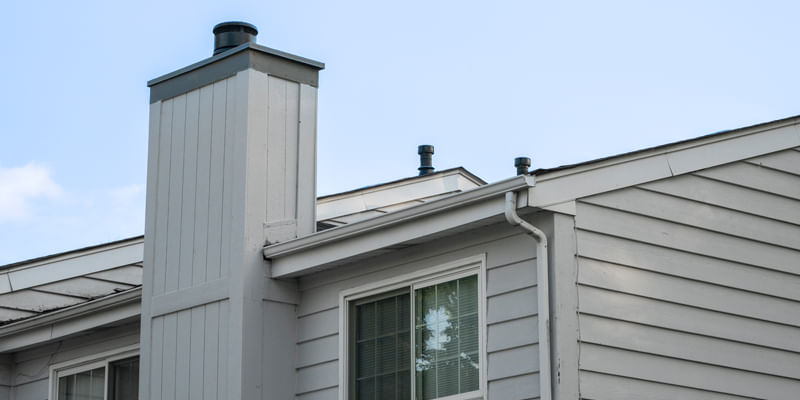
Two-story home with asphalt shingle roof and dormer windows

Where the Water Actually Goes after a Leak Starts

Most people picture a roof leak dripping straight down, like a faucet, but that is rarely what happens. Water usually enters through a small opening, then travels along whatever surface it meets first. Roof decking, rafters, nails, and insulation can all become pathways that guide water away from where it entered.


This is why the stain on your ceiling is not always directly under the leak. Water can run along framing for several feet before it finally finds a low point where it collects and shows up inside. A leak near a vent pipe might create damage near a light fixture, or a problem near the roof edge might show up closer to the center of a room.


Hidden water movement is also why mold can pop up in unexpected places. Moisture can settle into insulation, soak the top of drywall, and slowly spread sideways, feeding mold growth across a wider area than you would assume. When homeowners only focus on the spot they can see, the leak can keep working behind the scenes, creating a bigger problem every time it rains.

The Most Common Mold Hotspots after a Roof Leak

  • Attic roof decking: The underside of the roof can stay damp after repeated storms, especially if the leak is slow and persistent. Mold often appears as dark staining or patchy growth on the wood surface.
  • Rafters and trusses: Framing lumber holds moisture longer than people expect, particularly in corners with poor airflow. Mold growth here can spread along the grain and expand across multiple boards.
  • Insulation: Wet insulation acts like a sponge that refuses to dry out, which creates long-lasting dampness in the attic. Mold can grow on the insulation itself or on the wood it touches.
  • Ceiling drywall: Drywall absorbs moisture and contains paper, which mold loves to feed on. A ceiling stain is often the “final stage” of moisture travel, not the beginning.
  • Wall cavities near exterior edges: Water can slide into wall spaces where it stays hidden behind paint and trim. Mold can develop inside the cavity before you ever notice surface damage.
  • Around roof penetrations: Areas near vents, chimneys, skylights, and pipe boots are common leak points. Moisture around these openings often spreads outward, creating multiple damp zones.

Is That Stain Really a Roof Leak?

A ceiling stain does not always mean your roof is failing, but it should always be treated like a serious clue. Water stains can come from plumbing, HVAC issues, or condensation, yet roof leaks are one of the most common culprits, especially if the stain appears after heavy rain. Timing matters, and the pattern of the stain can tell you a lot about what is happening above it.


A roof-related moisture issue often comes with other subtle symptoms. You might notice a musty smell that gets stronger in humid weather, or you might see paint bubbling and drywall seams starting to warp. Those signs usually mean moisture has been present long enough to affect the materials, which also means mold may already be growing in a hidden area nearby.

How Fast Can Mold Grow?

Mold can begin developing surprisingly quickly when conditions are right. In many cases, growth can start within 24 to 48 hours after materials become wet, especially if the area stays warm and air movement is limited. That does not mean your entire attic will look like a science experiment overnight, but it does mean the clock starts almost immediately.


The bigger problem is that roof leaks often keep re-wetting the same area. If the roof leaks during every storm, the attic never gets a full dry-out period, which keeps moisture levels high enough for mold to spread. When homeowners finally notice the leak, the issue is sometimes weeks old, and the mold has had time to expand beyond the original wet spot.

Small Leaks, Big Consequences

Small leaks are often the ones that cause the worst mold problems because they are easy to ignore. A slow drip might not create a dramatic puddle, but it can keep insulation damp for long stretches. That constant low-level moisture is exactly what mold wants because it stays steady instead of drying out fast.


A small leak can also lead to bigger repair costs over time. Wet insulation loses its effectiveness, which makes your home harder to cool and heat, and that can show up as higher energy bills. Moisture can also soften drywall and slowly weaken roof decking, which turns what could have been a quick repair into a larger project if it is left alone.

The Role of Humidity and Poor Ventilation

Humidity can act like gasoline on the fire when you are dealing with a roof leak. Even if the leak is not actively dripping, humid air can slow down drying, which keeps surfaces slightly damp for longer than they should be. That lingering moisture is often enough to support mold growth, especially in an attic that already runs warm.


Poor ventilation makes the situation worse because it traps damp air in the attic space. When warm, moist air cannot escape, condensation can collect on cooler surfaces, which adds even more moisture to the environment. This is one reason homeowners sometimes see mold even when the leak seems “minor,” because the attic never truly dries.


Ventilation issues also make roof systems less forgiving when something goes wrong. A well-ventilated attic can sometimes dry out faster after a small leak, which reduces the window where mold can take hold. When ventilation is blocked, undersized, or installed incorrectly, moisture stays trapped, and mold gets more time to spread across wood and insulation.

Roof Problems That Commonly Trigger Leaks

  • Damaged or missing shingles: Shingles are the first line of defense, and when they crack, curl, or blow off, water can get underneath and start soaking the layers below. Even one weak spot can let moisture travel across the roof deck.
  • Failing flashing: Flashing protects seams and transitions around chimneys, roof edges, and walls, and when it loosens or corrodes, water can slip into the roof system quickly. Leaks from flashing often spread farther because they enter near structural connections.
  • Worn-out sealants around roof penetrations: Vent pipes, exhaust vents, and other roof openings depend on proper sealing to keep water out. When seals dry out or crack, moisture can drip into the attic and create repeated wet zones.
  • Clogged gutters and poor drainage: When gutters overflow, water can back up near the roof edge and soak fascia boards or roof decking. That moisture can move inward and create hidden damage over time.
  • Aging underlayment or compromised roof decking: Roofing materials weaken as they age, especially after years of storms and heat. Once underlayment or decking starts failing, the roof becomes more vulnerable to leaks that spread across a wider area.

Why DIY Fixes Often Fail

It makes sense to want a quick fix when water shows up inside your home, but roof leaks are rarely simple. Patching a spot you can see from the ground might stop the obvious drip for a little while, yet the real entry point could be higher up, off to the side, or hidden under overlapping materials. Water does not need a big opening to cause damage, and a small overlooked gap can keep feeding moisture into the attic.

DIY solutions also tend to miss the moisture that is already trapped. Even if the leak slows down, damp insulation and wet wood can stay moist for days, and sometimes longer, depending on weather and airflow. Mold does not care whether the leak looks “better” from inside, because it only needs the moisture that is still sitting in the materials.

What To Do If You Suspect Mold From a Roof Leak

  1. Pay attention to smells and timing: A musty odor that gets stronger after rain is a major clue, even if you do not see water dripping. Changes in indoor air quality can be one of the earliest signs that moisture is trapped somewhere.
  2.  Check your attic safely: Look for damp insulation, dark staining on wood, and any areas that feel humid or sticky to the touch. A flashlight can help you spot streaks and discoloration along the roof decking.
  3. Do not assume the stain is the whole story: Water can travel, which means the visible spot is often just where moisture finally shows itself. The real leak could be several feet away from the stain.
  4. Stop the water source first: Cleaning mold without fixing the leak is like mopping a floor while the faucet is still running. The moisture has to be eliminated before the problem can truly end.
  5. Let the space dry completely: Drying matters because mold rebounds when dampness remains in insulation or wood. Fans and dehumidifiers can help, but roof repairs often need to happen first.
  6. Bring in a roofing professional: A trained inspection can locate the real entry point and prevent repeat moisture damage. That is the step that protects your home long-term, not just for the next storm.

How V&V Roofing Helps You Break the Leak-to-Mold Cycle

The fastest way to reduce mold risk is to stop the leak before moisture gets comfortable inside your home. V&V Roofing focuses on identifying where water is getting in, not just where it is showing up, because the entry point is what keeps the cycle going. Once the leak is sealed correctly, the roof system can go back to doing what it is designed to do, which is protecting everything underneath it.

If you have noticed stains, odors, damp attic insulation, or any signs that moisture might be slipping in, getting the roof inspected is a smart move. Roof leaks do not improve on their own, and mold problems almost always get worse when moisture stays active. V&V Roofing can help you address the problem early, protect your home’s structure, and keep small leaks from turning into expensive damage.