Looking For Us? We Moved Locations!

Blog

Understanding Roof Insurance Claims After Storm Damage

Storm damage can leave homeowners staring at missing shingles, water stains, dented flashing, and a long list of questions they never expected to ask. The roof is one of the most important parts of the home, yet many people do not think much about insurance claims until a strong storm forces the issue. Once that happens, the process can feel confusing, especially when adjusters, deductibles, estimates, and policy language all begin showing up at once.

Understanding roof insurance claims after storm damage can make a difficult situation far easier to manage. Homeowners who know what to look for, what steps to take first, and how the claims process usually works are often in a better position to protect their homes and avoid costly mistakes. V&V Roofing helps property owners move through this process with clarity, practical guidance, and roofing expertise that keeps the focus where it belongs, on getting the roof restored the right way.
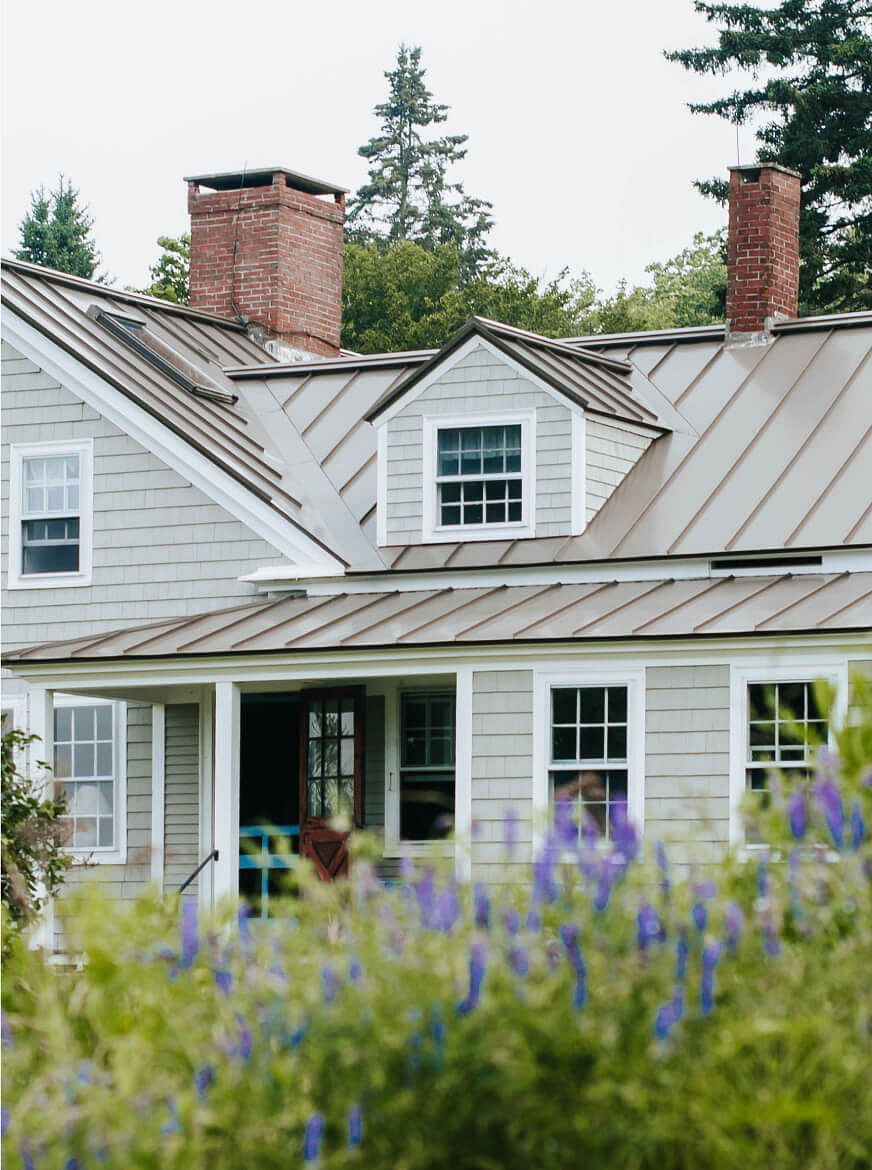
Traditional home with a standing seam metal roof and brick chimneys

Storm Damage Can Be More Serious Than It Looks

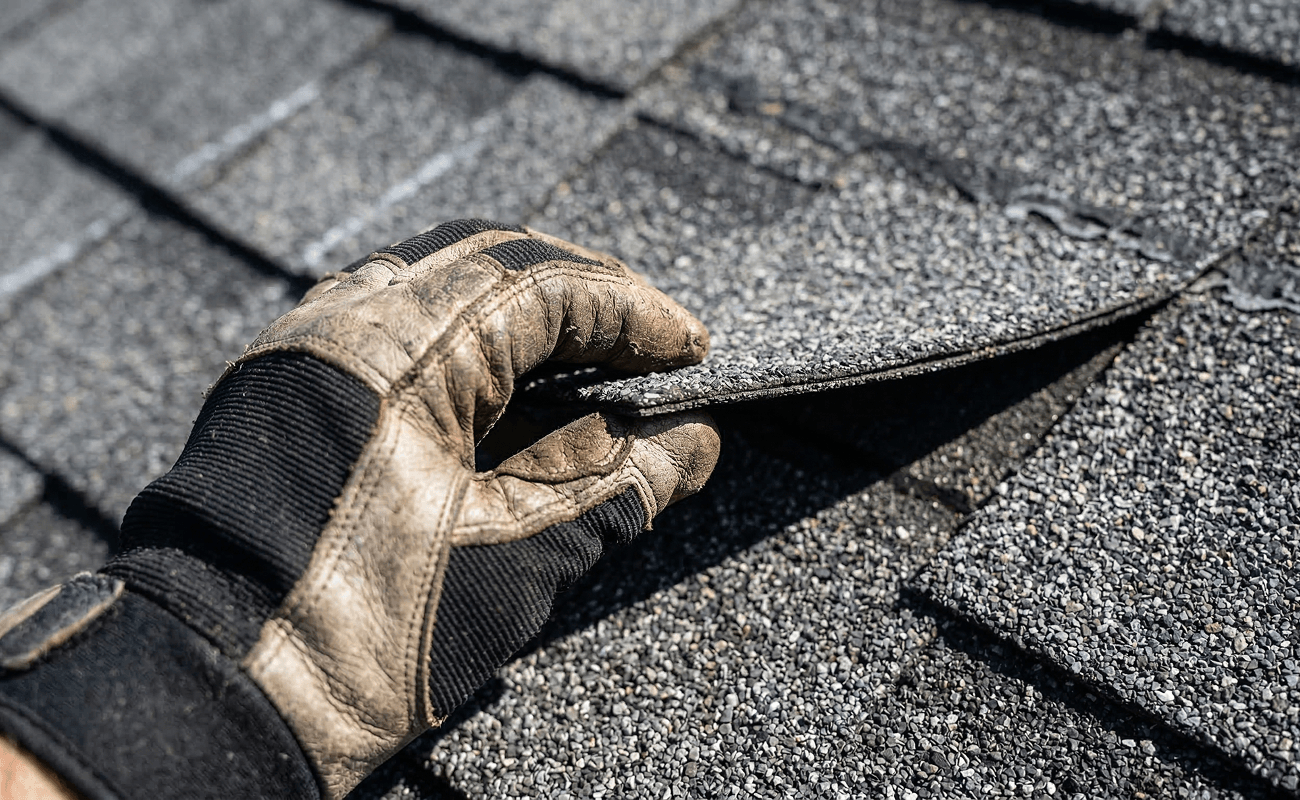
One of the biggest misconceptions homeowners have after severe weather is assuming that visible damage tells the whole story. A roof can look mostly fine from the ground while still having bruised shingles, lifted tabs, punctures, flashing damage, or compromised areas where water can begin working its way inside. Hail, high winds, fallen branches, and wind-driven rain can all create problems that do not become obvious until days or even weeks later.


This matters because insurance claims often depend on timely documentation and a clear understanding of what the storm actually did to the roof system. If a homeowner waits too long because the damage seems minor, the situation can become harder to prove and more expensive to fix. What starts as a few displaced shingles can turn into leaks, decking damage, insulation issues, and interior repairs that affect much more than the roof itself.


Professional roof inspections are valuable after major storms because they help identify both obvious and hidden damage. A trained eye can spot impact marks, loosened materials, compromised seal strips, and drainage issues that homeowners are unlikely to catch on their own. That early clarity can make a major difference when it is time to file a claim and explain exactly what happened.

What Types of Storm Damage Are Often Covered?

Most homeowners insurance policies cover sudden and accidental damage caused by certain storm events, though the details vary from policy to policy. Wind damage, hail damage, and damage caused by falling debris are often included, especially when the roof was in reasonable condition before the storm occurred. Coverage usually applies when the event is unexpected and not the result of long-term neglect or normal wear.


That distinction is important because insurance companies generally do not pay to replace a roof simply because it is old. If shingles are brittle, flashing is rusted, or the roof has been deteriorating for years, the carrier may argue that the issue is maintenance-related rather than storm-related. A storm can expose a weak roof, but that does not always mean every issue found afterward will be covered under the claim.


Homeowners should also understand that coverage may differ based on the age of the roof and the terms of the policy. Some policies pay replacement cost value, while others pay actual cash value, which factors in depreciation. That difference affects how much money the homeowner receives and whether there may be more out-of-pocket cost than expected.

Your First Steps After a Storm Matter

The first priority after a storm is safety, not paperwork. If power lines are down, tree limbs are unstable, or water is entering the home near electrical systems, those hazards need to be handled immediately. Once the property is safe to approach, homeowners should begin documenting what they can see without climbing onto the roof or taking unnecessary risks.


Photos and videos taken soon after the storm can be extremely helpful during the insurance process. Wide shots of the property, close-ups of visible roof damage, interior signs of leaking, fallen branches, dented gutters, and damaged siding all help establish a clear record of what the storm caused. The more specific and organized the documentation is, the easier it becomes to support the claim later.


It is also wise to prevent additional damage when possible, because insurance policies usually expect homeowners to take reasonable steps to protect the property. Temporary tarping, leak mitigation, and removal of immediate hazards can help limit further loss. Keeping receipts for emergency measures is important, because those costs may be reimbursable under the policy.

Why a Roof Inspection Should Happen Early

Before the claim gets too far along, a thorough roof inspection can provide the homeowner with a much stronger understanding of the situation. This inspection is not just about finding damage, it is about identifying the scope, location, and likely cause of the damage in a way that makes sense when discussing the claim. Without that information, homeowners often rely entirely on the insurance company’s initial assessment, which may not always capture the full picture.


A strong inspection report can also help separate storm-related issues from pre-existing wear, which is often where disputes begin. If the roofing professional can point to creased shingles, impact damage, compromised ridge caps, and other storm indicators, the conversation becomes much more specific. That level of detail can be especially useful if the adjuster’s first inspection misses damage or underestimates the extent of repairs needed.


V&V Roofing understands how to evaluate roofs after storms and explain the findings in plain language. Homeowners should never feel like they need to become insurance experts overnight just to protect their homes. A knowledgeable roofing team helps bridge the gap between what happened on the roof and what needs to be communicated during the claim.

Filing the Claim Without Creating More Stress

Filing a roof insurance claim often starts with a call to the insurance company or a submission through the carrier’s online portal. The homeowner will usually need to provide basic information about when the storm happened, what damage has been noticed, and whether emergency repairs were needed. At this stage, accuracy matters more than dramatics, because clear facts tend to move the process along more effectively.


Many homeowners worry that filing a claim means they need to know every detail right away, but that is not usually the case. The goal at the beginning is to report the loss promptly and start the process, not to present a final technical diagnosis from memory. Once the claim is open, the insurance company typically assigns an adjuster to inspect the property and review the reported damage.


Staying organized from the beginning makes the process easier. It helps to keep a simple file with photos, notes, claim numbers, emails, inspection findings, receipts, and copies of any estimates or reports. That kind of recordkeeping can save time, reduce confusion, and make it much easier to respond if questions come up later.

What Does the Insurance Adjuster Actually Do?

The insurance adjuster is sent to inspect the property on behalf of the carrier and determine what damage appears to be covered under the policy. During the visit, the adjuster may examine the roof, gutters, vents, flashing, siding, and interior signs of water intrusion. Their findings typically influence the scope of approved repairs and the amount the insurance company offers to pay.


Homeowners sometimes assume the adjuster’s report is automatically complete and final, but that is not always true. Adjusters work under time pressure, weather conditions, and the limitations of a single inspection, which means important details can be overlooked. Missing line items, underestimated material quantities, or incomplete repair scopes are not unheard of in storm damage claims.


That is one reason it helps to have a roofing professional involved during or around the adjuster visit. When the roofing contractor understands storm restoration, they can help identify damage that deserves attention and explain what is required for proper repair or replacement. This does not mean creating conflict, it means making sure the roof is evaluated thoroughly and accurately.

Replacement Cost Value vs. Actual Cash Value

One of the most confusing parts of a roof insurance claim is understanding how the payout is calculated. Replacement cost value means the policy is designed to cover the cost of restoring the roof with similar materials at current pricing, subject to deductibles and policy terms. Actual cash value, by contrast, subtracts depreciation based on the age and condition of the roof, which can reduce the amount paid significantly.


This difference matters because two homeowners with similar storm damage can have very different financial outcomes depending on their policies. A replacement cost policy usually offers better protection when major roof work is needed, while an actual cash value policy may leave the homeowner covering a larger portion of the project. That can come as an unpleasant surprise if the policy details were never reviewed closely before the storm.


Depreciation is also often handled in stages, especially under replacement cost policies. The carrier may issue an initial payment based on estimated actual value, then release recoverable depreciation after the work is completed and documented. Homeowners who understand that sequence are less likely to panic when the first check looks smaller than the total approved amount.

Why Claims Sometimes Get Delayed or Denied

Not every roof claim moves smoothly from inspection to approval. Claims may be delayed because of incomplete documentation, uncertainty about the storm date, disagreements over the cause of damage, or questions about the roof’s prior condition. In some cases, the claim may be denied because the carrier concludes that the issue is old damage, poor maintenance, installation defects, or wear rather than storm impact.


A denial does not always mean the end of the road, but it does mean the next step should be handled carefully. Homeowners need to understand exactly why the claim was denied and what evidence the insurance company relied on when making that decision. A roofing inspection with detailed supporting information may help clarify whether the denial should be challenged.


Delays can also happen when supplemental items are needed after work begins. Once shingles are removed, contractors sometimes discover damaged decking, underlayment issues, code-related needs, or other conditions that were not visible during the first inspection. When that happens, updated documentation may need to be submitted so the claim can be adjusted to reflect the real scope of restoration.

Supplements and Code Requirements Can Change the Scope

A roof claim is not always limited to the first estimate written by the insurance company. Supplements are common in storm restoration because roofs are complex systems, and some necessary repairs only become clear once work is underway. If additional storm-related damage is found, the claim may need to be updated so the homeowner is not paying for legitimate covered repairs that were simply not visible at the start.


Building code requirements can also affect what must be done during the project. In some situations, repairs that might have been acceptable years ago no longer meet current standards, which can change ventilation requirements, underlayment details, flashing methods, or other parts of the installation. Depending on the policy, certain code upgrades may be covered, though that usually depends on the presence of ordinance or law coverage.


This is where experience matters. A roofing contractor who understands supplements and code-related issues can communicate what the roof actually needs instead of forcing a shortcut repair that creates new problems later. Homeowners benefit when the work is based on proper restoration standards rather than the narrowest possible reading of the initial estimate.

Common Mistakes Homeowners Should Avoid

One common mistake is waiting too long to act after a storm, especially when the roof does not look dramatic from the ground. Hidden damage can worsen over time, and delayed reporting may make it harder to connect the loss clearly to the storm event. Acting early does not mean rushing into repairs blindly, it means getting the roof evaluated and starting the documentation process before problems grow.


Another mistake is choosing a contractor based only on the fastest promise or the lowest number. Storm season often brings out aggressive sales tactics, and homeowners under pressure can end up agreeing to work before fully understanding the scope, materials, or insurance implications. A quality roofing company should explain the process clearly, answer questions directly, and focus on proper restoration instead of confusion or pressure.


Homeowners should also avoid assuming that every insurance check can simply be pocketed while the roof is patched cheaply. Insurance claim funds are meant to restore covered damage, and partial work can leave the home exposed to future leaks, reduced performance, and complications if another claim arises later. A roof should be repaired or replaced in a way that actually protects the property long term.

A Clear Path Forward After Storm Damage

The roof insurance claims process can feel overwhelming at first, but it becomes much more manageable when each step is understood. Storm damage should be documented quickly, inspected carefully, reported accurately, and handled with attention to both the insurance side and the roofing side of the equation. When homeowners know what their policy may cover, what the adjuster is looking for, and why thorough roofing documentation matters, they are in a much stronger position to move forward with confidence.


V&V Roofing helps homeowners navigate storm-related roofing issues with practical support, honest inspections, and workmanship focused on lasting protection. If your home has been through hail, high winds, or severe weather, now is the time to have the roof evaluated before small issues become expensive ones. Choose V&V Roofing for trusted help with storm damage restoration and the guidance you need to move through the roof insurance claims process with clarity.