Looking For Us? We Moved Locations!

Blog

Top 5 Signs Your Roof Needs Repairs After a Storm

After a major storm passes, most homeowners breathe a sigh of relief. Yet, what happens above your head can be a hidden source of trouble. Storm damage to your roof isn’t always obvious, and waiting too long to address it can lead to serious issues down the line. Whether your home has faced high winds, hail, or heavy rain, it’s important to know what to look for before small problems turn into major repairs. Here are the top five signs your roof needs professional attention after a storm.
Why Roof Inspections After a Storm Are Essential

Even a minor storm can put enormous stress on your roof. Wind gusts can loosen shingles, hail can crack them, and flying debris can puncture the roof’s surface. Water intrusion, once it starts, can lead to mold growth, structural damage, and insulation deterioration. Many homeowners overlook inspections because the damage isn’t visible from the ground, but hidden leaks often cause the most expensive repairs later on.

A professional roof inspection helps catch damage early, ensuring your roof remains watertight and protecting your home’s structure. V&V Roofing provides thorough inspections designed to identify storm-related damage before it worsens, saving homeowners from unexpected repair costs down the road.

  1. Missing or Damaged Shingles: The Most Visible Warning Sign
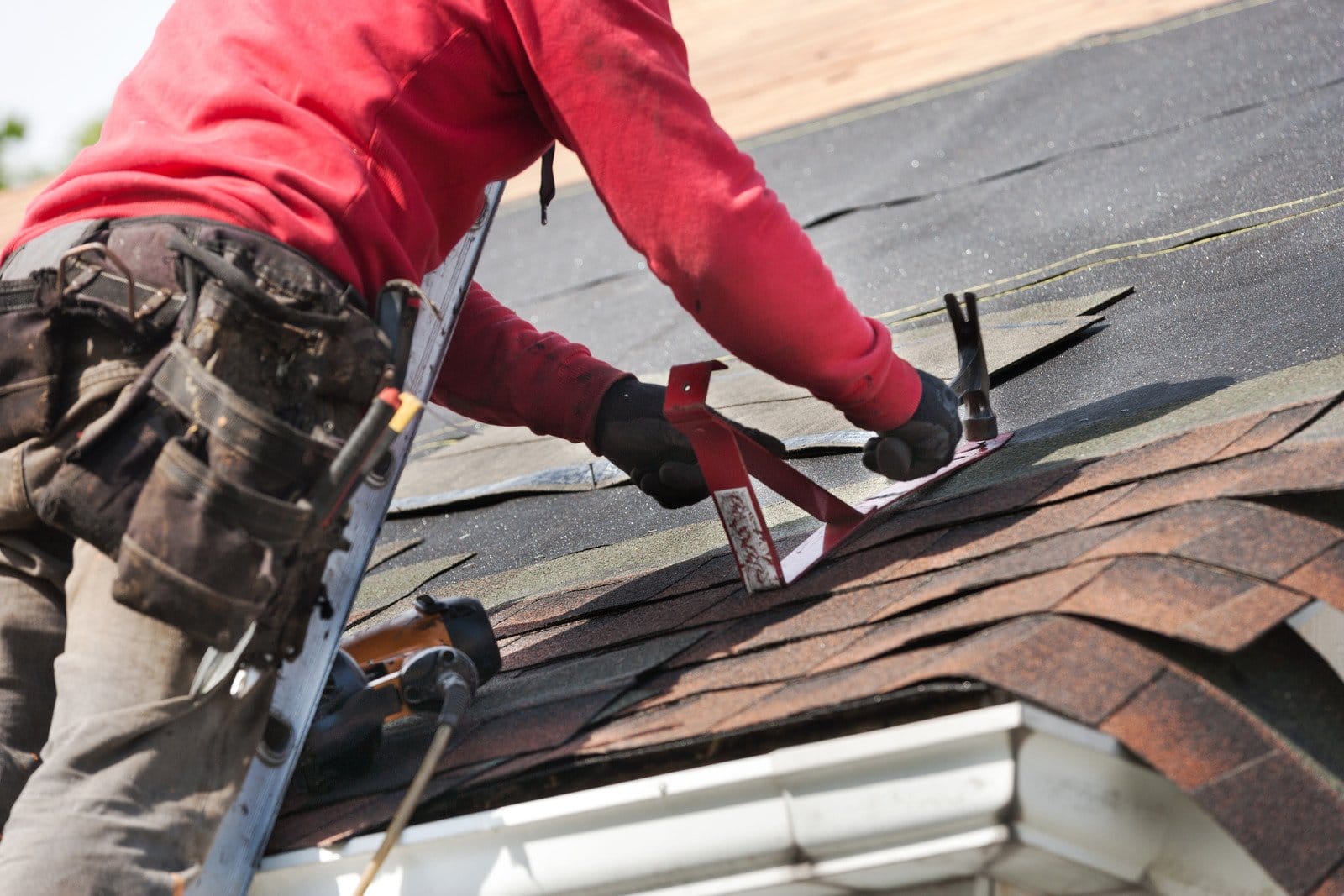
    • One of the easiest indicators that your roof needs attention is missing, curled, or cracked shingles. High winds can lift shingles off entirely, leaving the underlayment exposed to the elements. In some cases, shingles may still appear attached but are loosened enough to let water seep underneath during the next rainfall.
    • Hailstorms can also dent or fracture shingles, particularly asphalt ones, creating small openings that trap moisture. Over time, these areas deteriorate, leading to leaks and even structural weakening. If you spot pieces of shingles scattered in your yard or see uneven patches on your roof, it’s time to call a professional for an assessment.
  2. Granule Loss: A Subtle Sign With Big Consequences
    • When inspecting your gutters after a storm, pay attention to what’s inside them. If you find a buildup of dark, sand-like material, those are likely granules from your shingles. Granule loss is common after hail or heavy rain, and it reduces the shingles’ ability to protect against ultraviolet rays and moisture.
    • While a small amount of granule shedding is normal with age, significant accumulation in your gutters or downspouts after a storm indicates potential damage. Once the granules wear off, the asphalt layer beneath becomes brittle, causing leaks and reducing the roof’s lifespan. A roofer from V&V Roofing can evaluate whether your shingles need partial replacement or if a full roof repair is necessary.
  3. Water Stains and Leaks: When Damage Reaches Indoors
    • Water stains on your ceiling or walls often mean storm damage has already compromised your roof’s protective layers. Even a tiny breach in the roofing system can allow water to travel through insulation and drywall, showing up as brown discoloration, bubbling paint, or sagging plaster inside your home.
    • The tricky part is that leaks don’t always appear directly below the damaged section of the roof. Water can travel along rafters and beams before emerging elsewhere, making the source difficult to pinpoint. If you notice any damp spots or unusual odors after a storm, don’t delay—contact V&V Roofing right away to prevent the issue from spreading.
  4. Damaged Flashing and Roof Fixtures
    • Flashing plays a critical role in preventing leaks around roof penetrations such as chimneys, vents, and skylights. Storm winds can loosen or bend flashing, while debris can cause dents or tears that allow water to seep through. Damaged flashing often leads to slow leaks that go unnoticed until significant rot or mold sets in.
    • In addition to flashing, other fixtures like vents, satellite mounts, and gutters can sustain damage during severe weather. A displaced vent cap or dented gutter might seem minor but can quickly escalate into drainage issues and roofline deterioration. After any strong storm, it’s worth having a professional roofer examine these areas closely for hidden weaknesses.
  5. Sagging Roof Deck or Structural Shifts
    • A sagging roof is a serious warning sign that should never be ignored. Heavy rainfall or hail accumulation can strain your roof’s support system, especially if water becomes trapped beneath shingles or insulation. Over time, the excess weight causes portions of the roof deck to sink or warp, signaling internal structural damage.
    • If you notice any drooping areas along your roofline or attic beams that appear bowed, it’s crucial to schedule an immediate inspection. V&V Roofing’s team can identify whether the sagging is caused by water damage, compromised rafters, or poor ventilation. Early detection is key to preventing a full roof replacement.

How Wind Damage Differs From Hail and Rain Damage

Not all storm damage looks the same. Wind damage often creates lifted or missing shingles, while hail typically leaves dents and bruising. Rain damage, on the other hand, reveals itself more subtly through leaks, stains, or damp insulation. Understanding these differences can help you explain your concerns more accurately when speaking with a roofing professional.


V&V Roofing technicians are trained to distinguish between these types of damage, which helps when filing insurance claims. Their expertise ensures that no form of storm damage—no matter how small—goes unnoticed.

What Happens If You Ignore Roof Damage?

Ignoring storm-related roof damage can lead to costly consequences. Even minor leaks can rot wooden beams, destroy insulation, and invite mold growth throughout your attic. Over time, structural damage can compromise your home’s energy efficiency and indoor air quality. Repairs that would have cost a few hundred dollars can easily turn into multi-thousand-dollar roof replacements.


Additionally, homeowners insurance may not cover long-term neglect. Insurance providers often require timely inspections after a storm to validate claims. By scheduling an inspection soon after severe weather, you not only protect your home but also preserve your ability to file a successful claim.

corrugated metal roof and metal roofing

How to Check for Roof Damage Safely

While a professional inspection is always recommended, homeowners can perform basic checks from the ground. Start by walking around your property and visually scanning the roof for missing shingles, debris, or uneven surfaces. Examine gutters, downspouts, and the perimeter of your home for fallen branches or pieces of roofing material.


Inside your home, inspect ceilings, walls, and attic spaces for water stains or musty smells. If you suspect roof damage, avoid climbing onto the roof yourself—especially after heavy rain—since slippery surfaces can be hazardous. Instead, call V&V Roofing to handle the inspection with proper safety gear and equipment.

Steps to Take Immediately After a Storm

  • Document the damage: Take clear photos and videos of your roof, siding, and property to provide to your insurance company.
  • Check for visible hazards: Look for power lines, tree limbs, or loose shingles around your property.
  • Contact a roofing professional: Schedule an inspection with V&V Roofing to assess the extent of the damage.
  • File an insurance claim: Use the inspection report and documentation to submit a detailed claim.
  • Perform temporary fixes: If safe to do so, use tarps or sealants to cover exposed areas until permanent repairs are completed.

These steps can help minimize damage and streamline the repair process. V&V Roofing can also guide homeowners through the insurance claim procedure to ensure fair coverage for storm-related repairs.

How V&V Roofing Handles Storm Repairs

V&V Roofing has earned a reputation for providing reliable, high-quality roofing services across Louisiana. Their process begins with a comprehensive inspection to evaluate the condition of your roof and identify all forms of storm-related damage. Once the assessment is complete, they provide a detailed estimate outlining the necessary repairs, materials, and timelines.


Their technicians use industry-grade materials that are built to withstand Louisiana’s unpredictable weather. Whether the job involves replacing damaged shingles, fixing flashing, or reinforcing roof decking, V&V Roofing ensures each repair meets strict quality standards. They also prioritize quick response times to prevent further water intrusion or structural issues.

When Should You Consider a Full Roof Replacement?

In some cases, storm damage is extensive enough that repairs alone aren’t sufficient. If your roof is nearing the end of its lifespan or has multiple areas of damage, replacing it may be the more cost-effective option. A new roof improves energy efficiency, increases property value, and provides stronger protection against future storms.


V&V Roofing offers expert advice to help homeowners decide whether a repair or replacement makes the most sense. They evaluate the age of your roof, the severity of the damage, and your budget to recommend the best long-term solution for your home.

How Regular Maintenance Prevents Future Storm Damage

While it’s impossible to prevent all storm damage, regular roof maintenance can make a significant difference. Keeping gutters clean, trimming overhanging branches, and checking for minor issues throughout the year strengthens your roof’s resistance to severe weather. Proactive maintenance also helps identify weak points before they become major vulnerabilities during storms.


V&V Roofing provides maintenance plans that include periodic inspections, cleaning, and small repairs, giving homeowners peace of mind year-round. A well-maintained roof not only protects your home but also extends the life of your investment.

Protect Your Home With Expert Roof Repair Services

Storm damage can happen quickly, but recovery starts with the right team. Whether you’re dealing with missing shingles, leaks, or structural concerns, V&V Roofing is here to restore your home’s safety and security. Their experienced team combines craftsmanship with attention to detail, ensuring every repair lasts through Louisiana’s toughest weather conditions.


If you suspect your roof has suffered storm damage, don’t wait for the problem to worsen. Contact V&V Roofing today to schedule a professional inspection and get your roof back in top shape. Protect your home, preserve your peace of mind, and trust the experts who understand how to keep Louisiana roofing systems strong and secure.