
Looking For Us? We Moved Locations!

Blog

How to Check Your Roof for Damage After a Storm

A severe storm can move through quickly, yet the damage it leaves behind may not be obvious once the sky clears. High winds can loosen shingles, hail can bruise roofing materials, and heavy rain can reveal weak points around flashing, vents, and roof valleys. Even when your home appears normal from the street, a small problem may allow water to enter the attic or walls during the next rainfall.

A prompt inspection helps you identify visible concerns, document what happened, and decide whether a professional should take a closer look. You do not need to climb onto the roof to complete a useful first check. Most homeowners can learn a great deal by walking around the property, examining the attic, and looking for changes inside the home.
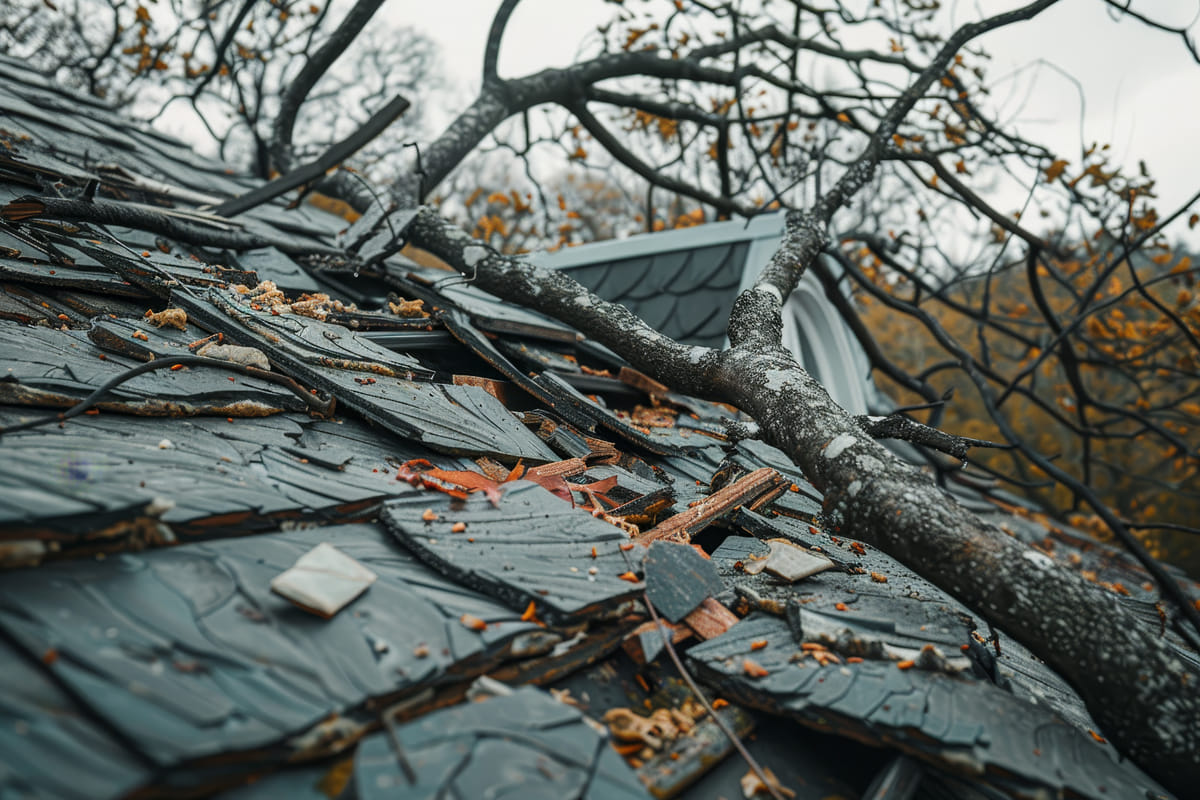

Put Safety First Before You Inspect Anything

Wait until the storm has fully passed before going outside. Wet pavement, broken glass, downed branches, loose siding, and damaged electrical lines can make the area around your home dangerous, even when the wind has stopped.


Wear sturdy shoes, keep children and pets indoors, and stay away from fallen wires or utility equipment. If a tree has landed on the house, you smell gas, or you see sparks near the property, contact the appropriate emergency service before checking the roof.


Avoid climbing onto the roof. Storm damage can leave shingles loose, decking soft, and roof edges unstable. A trained roofer uses proper access equipment, fall protection, and a systematic inspection process, while a homeowner can safely document what is visible from the ground.

Start With the Type of Storm You Experienced

The weather conditions can point you toward the damage most likely to appear. Strong winds frequently affect roof edges, corners, ridge caps, and shingles that were already beginning to loosen. Wind may lift a shingle without carrying it away, breaking the seal underneath and leaving the material vulnerable to the next storm.


Hail creates a different pattern. Depending on the size, density, and direction of the hailstones, impacts can dent metal components, knock granules from asphalt shingles, crack brittle materials, or bruise the shingle surface. Heavy rain may also expose weak flashing, clogged drainage areas, aging sealant, and openings around roof penetrations.

Walk Around the Entire Property

Begin with a slow walk around the house, viewing each roof slope from more than one angle. The front may look undamaged while the rear or side facing the wind shows missing shingles, displaced materials, or debris.


Look for changes in the roof’s pattern. Missing tabs, raised edges, uneven rows, exposed underlayment, and sections that appear noticeably darker or lighter can justify a closer inspection. Binoculars can help, and a phone camera with zoom may allow you to review the roof more carefully after you return indoors.


Check the yard, driveway, and landscaping for roofing debris. Pieces of shingles, ridge caps, flashing, sealant, or roofing nails may indicate that the storm loosened part of the system, even when you cannot identify the exact location from below.

What Does Wind Damage Look Like?

Missing shingles are the clearest sign of wind damage, although they are not the only one. A shingle may remain attached at the nails while its lower edge lifts away from the roof, creating an irregular shadow or a section that does not lie flat.


Pay special attention to the eaves, rakes, corners, and ridge line. These areas can experience stronger uplift forces than the center of a roof slope. Flashing around chimneys, vents, skylights, and wall intersections may also bend, pull away, or develop visible gaps.


Wind damage may not produce an immediate leak. Once a shingle seal has broken, rain can enter later, or the loosened material may tear away during another period of high wind.

Can You Identify Hail Damage From the Ground?

Hail damage can be difficult to confirm without getting close to the roof. Asphalt shingles may show dark spots, missing granules, small depressions, or exposed material beneath the protective surface, yet these changes may blend into the surrounding roof when viewed from the yard.


Metal surfaces often provide more visible evidence. Look for fresh dents on gutters, downspouts, roof vents, flashing, metal awnings, outdoor air-conditioning equipment, and vehicles parked near the home. Damage across several of these surfaces suggests that the roof may have received similar impacts.


A roof is not necessarily unharmed simply because every shingle remains in place. Hail can weaken the surface without creating an obvious hole, and the affected area may deteriorate more quickly afterward.

Check the Gutters and Downspouts

Gutters can reveal both impact damage and drainage problems. Examine them for dents, sagging sections, loose fasteners, separated joints, or areas that have pulled away from the fascia.


Look near the downspout outlets for accumulations of shingle granules. Asphalt shingles naturally lose some granules as they age, so a small amount is not automatically a sign of storm damage. A sudden, unusually heavy accumulation after hail, however, is worth documenting.


Remove only debris that you can reach safely from the ground. Do not balance on a ladder during wet or windy conditions, and never pull on branches resting against the roof, gutters, or power lines.

Examine Siding, Windows, and Exterior Features

A roof inspection becomes more useful when you also study the rest of the exterior. Cracked siding, torn window screens, dented trim, damaged shutters, and chipped paint can help show the direction and intensity of the storm.


Compare each side of the home. If dents and impact marks are concentrated on one elevation, that side of the roof may have taken the hardest hit. Damage on several sides may indicate shifting winds or a storm that moved directly across the property.

Look in the Attic for Water Intrusion

The attic can reveal problems that are invisible from the yard. During daylight, enter with a flashlight and look for wet insulation, darkened wood, water trails, damp fasteners, or small points of light coming through the roof deck.


Focus on the areas beneath valleys, chimneys, vents, skylights, and roof transitions. These locations depend on flashing and careful water control, so damage or separation may allow moisture to enter even when nearby shingles appear intact.


Use caution in an unfinished attic. Step only on secure framing or installed flooring, avoid wet electrical components, and stop if you cannot reach an area safely. A musty odor or unusually damp air may also justify a professional inspection.

What Should You Check Inside the House?

Walk through the upper floor and inspect ceilings, walls, closets, window trim, and light fixtures. New water stains may appear brown, yellow, gray, or only slightly darker than the surrounding surface.


Watch for bubbling paint, peeling drywall tape, damp trim, warped materials, or a dripping sound that was not present before the storm. Water can travel along rafters, pipes, and framing, which means the visible stain may be several feet away from the roof opening.


If water is entering the living space, move furniture and valuables, place a container beneath the drip, and contact a roofing professional. Do not attempt a rooftop repair while the surface is wet.

Document the Damage Carefully

Take both wide and close photographs. Wide images show where the damage is located on the home, while close images capture dents, missing materials, stains, and debris in greater detail.


Write down the date and approximate time of the storm, along with what you observed, such as hail, strong wind, heavy rain, or falling branches. Keep contractor findings, repair receipts, and insurance correspondence in one place.


Avoid discarding damaged materials until you know they are no longer needed. Clear records can help a roofer understand the event and give an insurance adjuster a more complete picture of the property’s condition.

Avoid These Common Post-Storm Mistakes

Do not wait for water to drip from the ceiling before taking action. Some openings admit only a small amount of moisture, while others remain dry until wind-driven rain approaches from a particular direction.


Avoid assuming that a glance from the driveway is a complete inspection. Experienced roofers evaluate the entire system, including shingles, ridge caps, flashing, valleys, penetrations, ventilation components, drainage, and visible decking conditions. That broader view helps distinguish ordinary wear from storm-related damage.


Be cautious with contractors who pressure you to sign immediately or make promises about insurance coverage. A responsible roofing company should explain what it found, show you the affected areas, describe the proposed work, and give you time to understand the recommendation.

When Should You Call V&V Roofing?

Contact V&V Roofing if you notice missing or lifted shingles, exposed underlayment, damaged flashing, punctures, sagging areas, active leaks, or a branch resting on the roof. An inspection is also reasonable when nearby homes have confirmed hail or wind damage, since the same storm may have affected your property.


A thorough roof inspection should include vulnerable edges, penetrations, drainage points, transitions, and other areas that are difficult to assess from below. The roofer should then explain whether the roof needs a repair, additional monitoring, or a broader restoration plan.


Contact V&V Roofing to discuss the storm conditions, the warning signs you have observed, and the appropriate next step for your roof. A professional assessment can provide the information you need before deciding how to address the damage or communicate with your insurance provider.

A Timely Check Can Prevent a Larger Problem

Your roof protects the insulation, drywall, electrical systems, flooring, belongings, and structural framing beneath it. A small opening can affect several parts of the home if repeated rain continues to enter.


After a storm, begin with a safe inspection from the ground, examine the attic and interior, and document anything that has changed. These steps do not replace a professional assessment, but they can help you recognize when the roof deserves immediate attention.


If your home has recently experienced hail, high winds, heavy rain, or falling debris, contact V&V Roofing to ask about a roof inspection. Knowing what happened to the roof allows you to respond with a plan instead of waiting for the next storm to reveal the damage.