Looking For Us? We Moved Locations!

Blog

How Long Does a Roof Last in Louisiana? Lifespans by Roofing Material

Louisiana is a beautiful place to live, but it is not exactly gentle on a roof. Between heavy rain, intense sun, high humidity, tropical storms, hurricanes, and long stretches of warm weather, roofing materials here often age faster than they might in drier or milder parts of the country. A roof that could last 30 years in another region may have a shorter practical lifespan in Louisiana if it is not installed well, ventilated properly, and maintained after major weather events.

For homeowners, the real question is not just, “How long does a roof last?” The better question is, “How long should this specific roofing material last in Louisiana, given our climate, storm exposure, and maintenance needs?” At V&V Roofing, we know that a roof is one of the most important investments you can make in your home, which is why understanding material lifespans can help you plan ahead instead of waiting for leaks, storm damage, or insurance issues to force the decision.
Louisiana Weather Can Shorten a Roof’s Lifespan

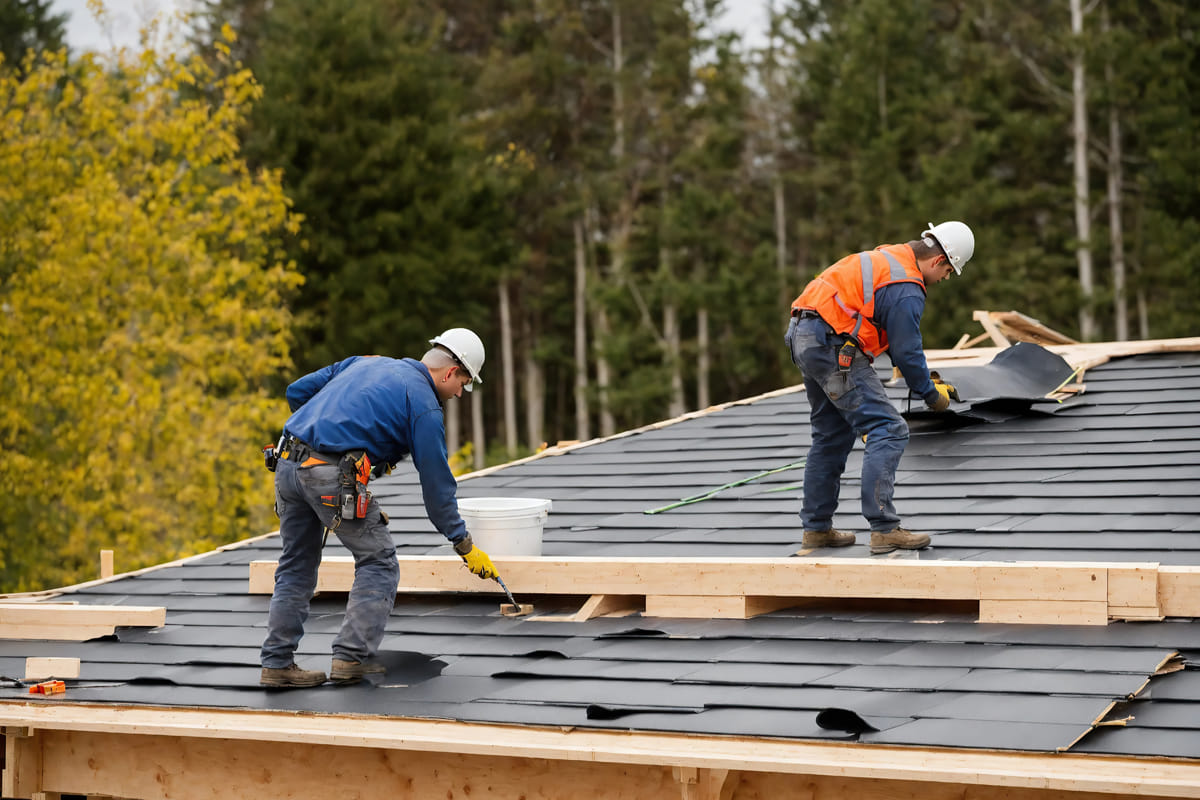
A roof in Louisiana has to handle more than ordinary wear and tear. The combination of heat, moisture, wind, and sudden storms creates a challenging environment where shingles can curl, flashing can loosen, sealants can break down, and hidden water damage can develop before a homeowner notices anything from the ground.


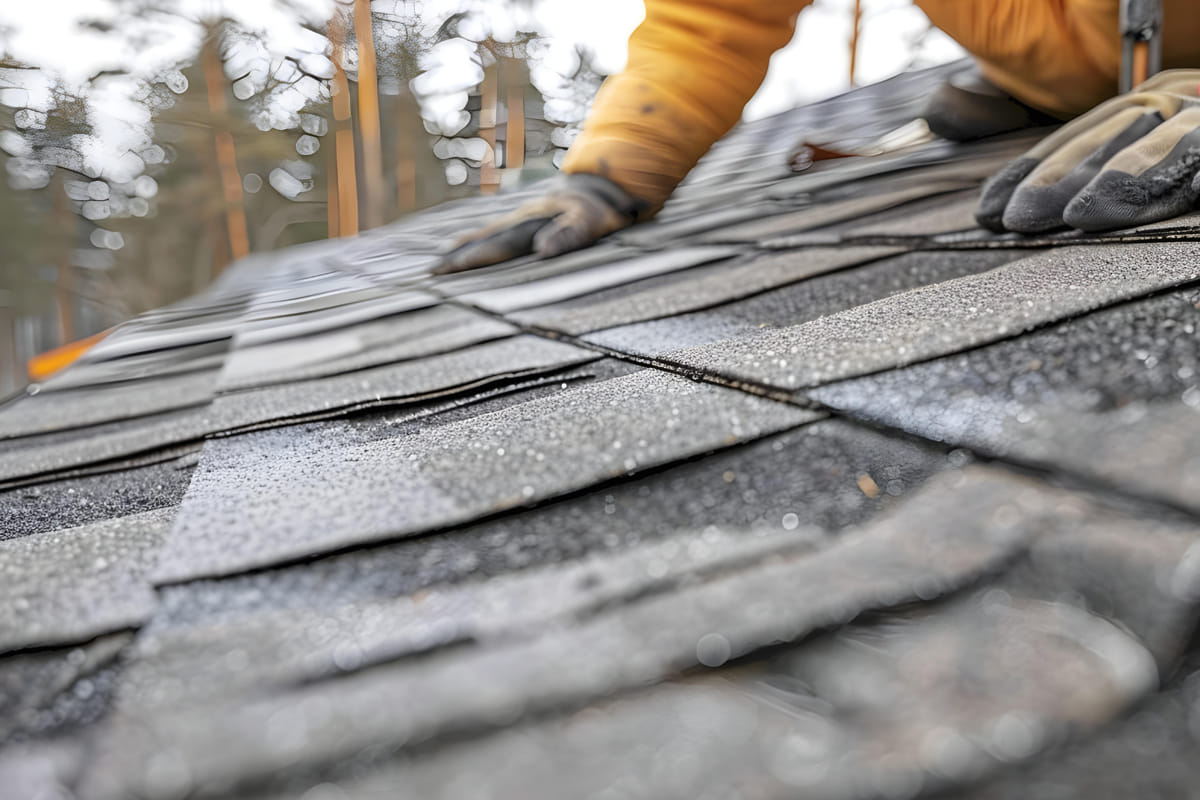
Humidity is one of the biggest concerns because it allows algae, mildew, and organic debris to stay active on the roof surface longer than they would in a dry climate. While those dark streaks on shingles may seem like a cosmetic issue at first, trapped moisture and debris can contribute to faster deterioration, especially when leaves, branches, and pine needles collect in valleys or around roof penetrations.

How Long Do Asphalt Shingle Roofs Last in Louisiana?

Asphalt shingles are among the most common roofing materials in Louisiana because they are affordable, versatile, and available in many styles. In general, a standard asphalt shingle roof in Louisiana may last around 15 to 25 years, although the exact lifespan depends on the shingle type, installation quality, attic ventilation, storm exposure, and how quickly repairs are handled after wind or hail damage.


Three-tab shingles, which are thinner and more basic than architectural shingles, usually fall on the lower end of the lifespan range. While they may be budget-friendly upfront, Louisiana homeowners should understand that strong wind, heat, and heavy rain can wear them down sooner, particularly if the home is in an exposed area or has already been through several storm seasons. 


Architectural shingles, sometimes called dimensional shingles, are usually a better long-term choice for many Louisiana homes because they are thicker, heavier, and more wind-resistant than traditional three-tab shingles. With proper installation and maintenance, architectural shingles may last 20 to 30 years in favorable conditions, though homeowners should still schedule inspections after major storms because even durable shingles can be lifted, creased, or loosened by severe wind.

Metal Roofing Offers Strong Long-Term Value

Metal roofing is known for its durability, and in Louisiana, that strength can make a major difference. A properly installed metal roof may last 40 to 70 years, depending on the type of metal, coating system, fastener design, and maintenance routine, which means it can outlast asphalt shingles by decades when it is installed by an experienced roofing contractor.


One of the biggest advantages of metal roofing is that it handles heavy rain well because the panels shed water quickly. This can be especially helpful in Louisiana, where intense downpours may overwhelm weaker roofing systems or expose small installation flaws that turn into leaks over time.


Metal roofs are not maintenance-free, however, because exposed fasteners, seams, flashing, and coatings still need attention. If a metal roof is scratched, poorly fastened, or installed without proper details around vents, chimneys, valleys, and roof edges, its potential lifespan can be reduced, which is why professional installation matters as much as the material itself.

How Long Does a Tile Roof Last?

Clay and concrete tile roofs can last a very long time, often 50 years or more, and in some cases much longer when the roofing system is designed and installed correctly. The tiles themselves are extremely durable, but the underlayment, flashing, fasteners, and roof structure beneath them play a major role in how long the entire system performs.


In Louisiana, tile roofing can be attractive because it resists heat, fire, insects, and rot better than many other materials. However, tile is heavy, which means the home must be able to support the added weight, and the roof must be installed with careful attention to drainage and wind resistance.


The biggest mistake homeowners sometimes make is assuming that long-lasting tiles mean the whole roof can be ignored for decades. Even when the tiles look fine, the underlayment beneath them can age, crack, or fail over time, especially in a hot and humid climate, so periodic inspections are still important.

Slate Roofing Can Last for Generations

Slate is one of the longest-lasting roofing materials available, and a well-built slate roof may last 75 to 100 years or more. Because natural slate is dense, beautiful, and highly resistant to weathering, it is often considered a premium roofing option for homeowners who want exceptional longevity.


That said, slate roofing is not the right fit for every home or budget. It is heavy, expensive, and requires specialized installation, which means homeowners should work with roofing professionals who understand how to handle, fasten, and repair slate correctly.


In Louisiana, slate can perform well when the roof structure is suitable and the installation is detailed properly for local weather conditions. The main concern is rarely the slate itself, but rather the surrounding components, such as flashing, underlayment, gutters, and penetrations, because those parts may need service long before the slate reaches the end of its life.

Is Wood Roofing a Good Fit for Louisiana?

Wood shakes and wood shingles can create a warm, natural look, but they are not usually the most practical choice for Louisiana’s humid climate. Depending on the wood species, treatment, ventilation, and maintenance, a wood roof may last around 20 to 30 years in some regions, but constant moisture, algae growth, and storm debris can make that lifespan harder to achieve locally.


Moisture is the main challenge because wood needs to dry properly after rain. In areas with heavy shade, poor airflow, or frequent debris buildup, wood roofing can be more vulnerable to rot, splitting, moss, and mildew, which increases maintenance demands and may shorten the roof’s service life.


Homeowners who love the appearance of wood may want to consider alternative materials that mimic the look without requiring the same level of upkeep. In many cases, architectural shingles, synthetic products, or certain metal roofing styles can provide a more practical balance of appearance, durability, and Louisiana-weather performance.

How Long Do Flat and Low-Slope Roofs Last?

Flat and low-slope roofs are common on certain homes, additions, porches, carports, and commercial-style residential structures. Depending on the system, a flat roof in Louisiana may last around 15 to 30 years, with materials such as TPO, modified bitumen, PVC, and EPDM each offering different strengths.


The biggest issue with flat and low-slope roofing is drainage. Since water does not run off as quickly as it does on a steep roof, ponding water, clogged drains, weak seams, and poorly sealed penetrations can lead to leaks if the roof is not designed and maintained properly.


In Louisiana, where sudden heavy rain is common, flat roofing requires careful installation and regular inspections. Small problems, such as an open seam or cracked seal around a vent, can become much larger when water sits on the surface, which is why maintenance should not be delayed.

Installation Quality Matters More Than Many Homeowners Realize

Even the best roofing material can fail early if it is installed poorly. A roof is not just shingles, panels, tiles, or membranes; it is a full system that includes underlayment, flashing, ventilation, decking, fasteners, sealants, drip edge, pipe boots, valleys, and ridge details.


In Louisiana, the margin for error is smaller because storms often reveal weaknesses that might stay hidden in a calmer climate. If flashing is misapplied, nails are placed incorrectly, ventilation is inadequate, or roof decking is not properly repaired before new materials are installed, the roof may develop leaks or premature wear long before the expected lifespan.


This is one reason homeowners should avoid choosing a roofer based only on the lowest price. A cheaper roof may cost more in the long run if it leads to repeated repairs, water damage, mold concerns, energy waste, or a full replacement years earlier than expected.

What Signs Mean Your Roof May Be Near the End?

A roof does not always fail all at once. Many roofs show warning signs first, including missing shingles, curled edges, cracked materials, exposed nails, rusted flashing, sagging areas, granules in gutters, ceiling stains, soft decking, or repeated leaks in the same general area.


Age also matters, especially if your roof has already been through hurricanes, tropical storms, hail, or years of harsh summer heat. If an asphalt shingle roof is more than 15 years old and problems are becoming more frequent, it may be time to compare the cost of ongoing repairs with the value of replacement.


Interior warning signs should never be ignored. Brown spots on ceilings, musty odors in the attic, peeling paint near the roofline, or damp insulation can point to moisture intrusion, and because water often travels before it appears indoors, the visible stain may not be directly below the roof problem.

Can Maintenance Help a Roof Last Longer?

Maintenance cannot make a roof last forever, but it can help a good roof reach more of its expected lifespan. Regular inspections, debris removal, gutter cleaning, flashing checks, and prompt repairs can prevent small issues from turning into expensive structural damage.


After major storms, homeowners should have the roof checked even if there are no obvious leaks. Wind can lift shingles, loosen fasteners, damage ridge caps, or compromise flashing, and those problems may not cause water stains until the next heavy rain arrives.


Keeping nearby trees trimmed can also make a difference because branches scrape roofing materials, drop debris, and create shaded areas where moisture lingers. When a roof can dry properly and shed water as intended, it usually has a better chance of lasting longer.

Which Roofing Material Is Best for Your Louisiana Home?

The best roofing material depends on your budget, your home’s design, your long-term plans, your neighborhood, and how much maintenance you are willing to manage. Asphalt shingles are often the most practical option for affordability, while metal roofing may be better for homeowners who want a longer lifespan and stronger storm performance.

Tile and slate can offer impressive longevity, but they require the right structure, budget, and installation expertise. Flat and low-slope systems can work well when they are designed for proper drainage, though they should be inspected regularly because water management is so important.

A good roofing contractor should help you compare more than the upfront price. Lifespan, warranty terms, ventilation, storm resistance, repair costs, insurance considerations, and long-term value all matter when you are choosing a roof for a Louisiana home.

V&V Roofing Helps Louisiana Homeowners Plan With Confidence

When you are trying to decide whether your roof needs repair, maintenance, or replacement, it helps to have a local roofing team that understands Louisiana weather. V&V Roofing works with homeowners who want honest guidance, quality workmanship, and roofing solutions that make sense for their homes.

Whether your roof is aging, storm-damaged, leaking, or simply due for an inspection, V&V Roofing can help you understand the condition of your current system and the realistic lifespan of your material. Instead of guessing from the ground or waiting until a small issue becomes a costly repair, you can get a professional opinion and make a confident decision.

A Strong Roof Starts With the Right Information

A roof in Louisiana can last anywhere from 15 years to more than 70 years, depending on the material, installation, ventilation, maintenance, and storm exposure. Asphalt shingles are common and cost-effective, metal roofs offer excellent longevity, tile and slate can last for decades, and flat roofing systems can perform well when drainage and detailing are handled correctly.


The most important thing to remember is that lifespan estimates are only a starting point. Your roof’s real condition depends on what it has been through, how it was installed, and whether small problems have been repaired along the way.


If you are wondering how much life your roof has left, V&V Roofing is ready to help. With a professional roof inspection and clear recommendations, you can protect your home, plan your budget, and choose the roofing option that fits Louisiana living.